
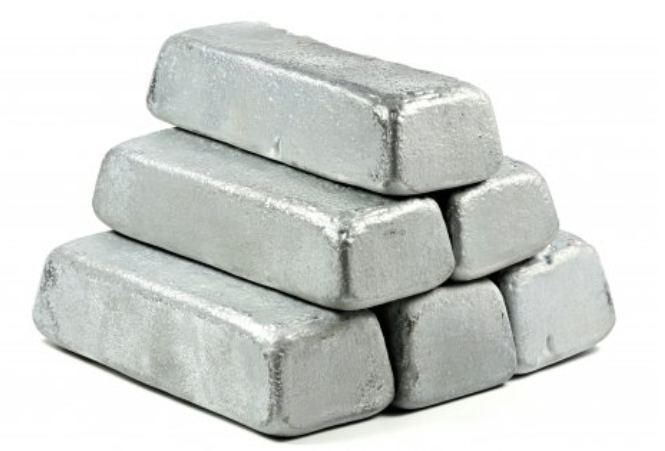
Die-casting is a manufacturing process used to produce metal parts with high precision and excellent surface finish. Zinc alloys are commonly used in die-casting due to their favorable properties, such as low melting points, excellent flow characteristics, and good mechanical properties.
1. Alloy Selection:
– Zinc alloys commonly used in die-casting include Zamak alloys (Zamak 3, Zamak 5, and Zamak 7), ZA alloys (ZA-8 and ZA-12), and other proprietary alloys developed by manufacturers.
– These alloys differ in composition, and their selection depends on the specific requirements of the part, including mechanical properties, corrosion resistance, and aesthetics.
2. Process:
– Die-casting involves injecting molten zinc alloy into a mold cavity at high pressure.
– The mold, typically made of steel, is designed to create the desired part shape.
– The high pressure helps the alloy flow into all intricate details of the mold, ensuring high precision and minimal porosity.
3. Applications:
– Zinc die-casting is commonly used in automotive components, consumer electronics, plumbing fixtures, and various decorative and functional parts.
– It is also suitable for thin-walled components, which require high dimensional accuracy.