
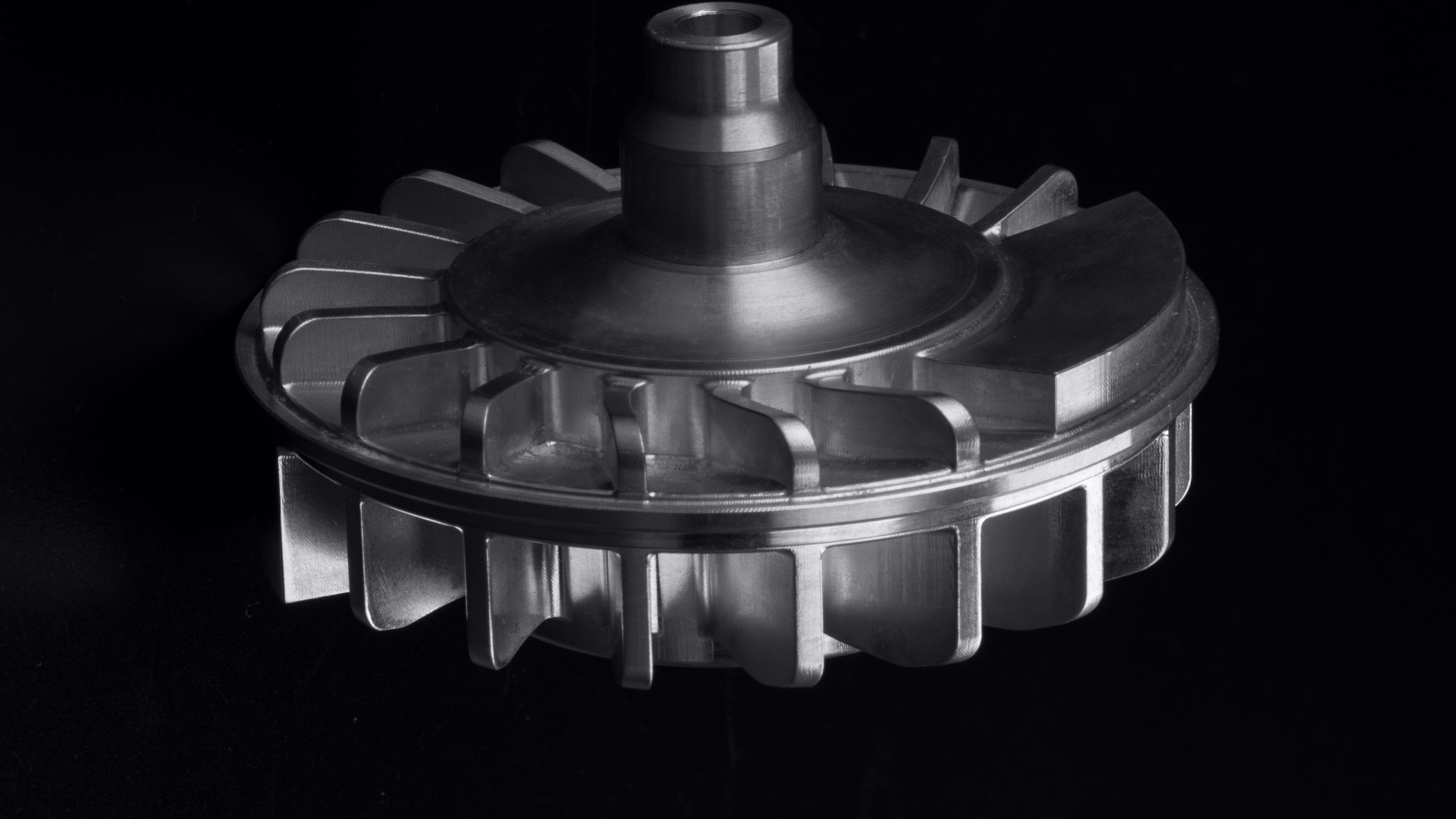
High-pressure die-cast aluminum, often referred to as HPDC aluminum or simply die-cast aluminum, is a popular manufacturing process used to create complex and precise aluminum parts. This process involves injecting molten aluminum into a mold cavity at high pressure, allowing it to solidify and take the shape of the mold.
Die-cast aluminum parts are typically made from aluminum alloys, which are selected based on the specific requirements of the part. Common alloys include ADC12, A380, and A360, each offering different properties such as strength, corrosion resistance, and heat conductivity.
Process:
– Mold Preparation: A two-part mold is created, usually made from steel or other durable materials, with a cavity that matches the desired part’s shape.
– Melting: Aluminum alloy is heated to its melting point in a furnace.
– Injection: The molten aluminum is forced into the mold cavity at high pressure, often exceeding 10,000 psi (70 MPa).
– Cooling: The aluminum cools and solidifies within the mold.
– Ejection: The finished part is removed from the mold, and excess material (flash) is trimmed.
Precision and Complexity: HPDC is known for producing highly detailed and complex parts with tight tolerances. It is often used in the automotive, aerospace, and consumer electronics industries to create components like engine blocks, transmission housings, and electronic enclosures.
Surface Finish: Die-cast aluminum parts can have a good surface finish right out of the mold. However, additional post-processing steps like sandblasting or powder coating can be applied to improve appearance and surface quality.
Strength and Weight: Die-cast aluminum parts are relatively lightweight compared to steel, but they still offer excellent strength and durability. This makes them suitable for applications where weight reduction is a consideration.
Despite its advantages, die-casting can be limited in terms of part size and geometry. Large and extremely intricate parts may not be suitable for this method. It’s also important to design parts with consideration for the flow of molten aluminum to prevent defects like porosity.