
Zinc die casting is one of those processes that keeps showing up in electronics and telecoms — for a reason. It’s fast. It’s precise. And, honestly, it’s quietly reliable.
Zinc alloys let you cast complex shapes with tight tolerances. That matters when you’re making connector shells, housings or shields where every millimeter counts. You get clean surfaces, too. So parts look good and they take plating or paint without a fuss.
Heat and EMI are big headaches in electronics. Zinc helps there. It conducts heat well, so it can spread and dissipate thermal loads from chips or power modules. It also gives you natural electromagnetic shielding — not perfect by itself, but a solid start. Add a coating and the shielding gets even better. That’s why you see zinc die cast parts in routers, base stations, and power supplies.
Think about production scale. Zinc die casting can pump out thousands of identical parts faster than many other metal processes. Faster cycle times. Lower per-part cost. That’s gold when a product moves from prototype to mass production. And repeatability — same dimensions, batch after batch — that’s what keeps assembly lines calm.
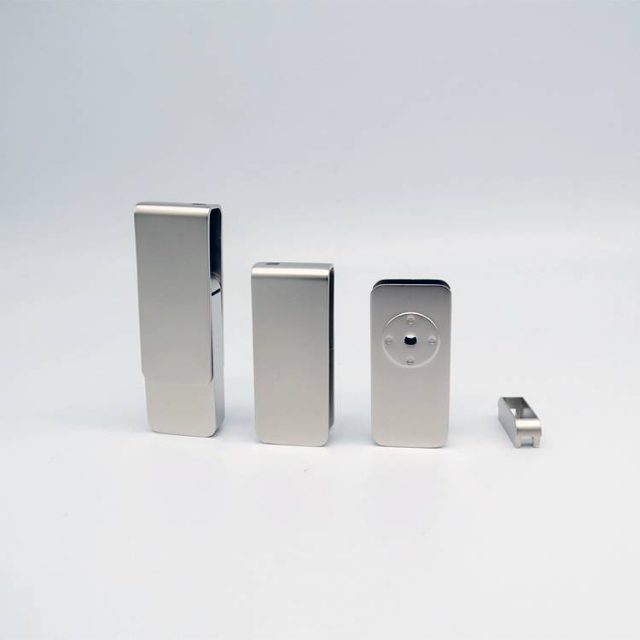
Machining and finishing are straightforward. If you need threaded inserts, mounting bosses, or precise bores, zinc parts take secondary operations easily. They don’t warp the way thin-walled aluminum sometimes does. They’re also heavy enough to feel substantial — which matters in consumer gear where perceived quality influences buying choices.
Durability shows up in everyday use. Connectors get plugged and unplugged. Housings see knocks and drops. Zinc alloys resist those stresses better than some plastics. Corrosion resistance is respectable, and with proper coatings you can keep parts looking new for years.
There are trade-offs. Zinc isn’t as light as magnesium or some engineered plastics. It’s not the best for extreme high-temperature settings. But for most telecom enclosures, electronic housings and shielding, zinc is a practical balance of strength, manufacturability and cost.
If you’re designing for zinc die casting, remember a few simple things. Keep wall sections consistent. Avoid tiny, hard-to-fill cavities. Use draft angles so parts eject cleanly. Design for machining where needed, but try to limit expensive secondary work. These small steps save time and money — and keep product launches on schedule.
In short — Zinc Die Casting is a go-to choice for many electronic and telecom components because it hits the sweet spot: precision, shielding, thermal handling, and economical mass production. Not glamorous. But it works. And that’s what counts in the field.