
I’ve worked with brass parts on heavy equipment for years. Let me put it plainly — Brass Die Casting matters in industrial machinery because it hits a practical sweet spot: strength where you need it, corrosion resistance where you can’t afford failure, and repeatable shapes when consistency is king.
Brass Die Casting parts show up where machines meet fluids, heat, vibration, or electrical contact. Think pump housings, valve bodies, fittings, bearing shells, and small gearbox parts. They’re not decorative. They’re workhorses. They must seal, align, conduct, resist wear — often all at once.
Why choose Brass Die Casting? A few straight facts. Brass offers better corrosion resistance than many steels in wet or chemical environments. It’s easier to cast into complex shapes than many steels or stainless alloys. Die casting gives tight tolerances and good surface finish right off the machine — so machining time drops, and assembly goes faster. That saves money. It saves time. It reduces scrap.
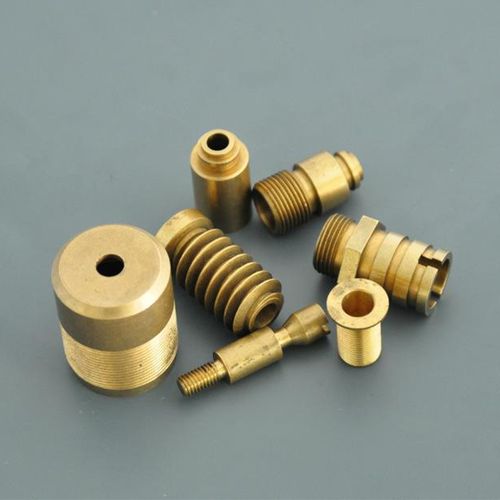
Design matters. If you’re designing a valve body, you can integrate channels, mounting bosses, and thin webs in one cast piece — no welding, fewer parts. That reduces leak paths. Fewer assembly steps. But pay attention to wall thickness and draft angles. Thin walls help weight and cooling, but too thin and you risk porosity. Sharp corners trap metal and create stress points — round them. Add ribs where stiffness is needed. Put bosses where tooling can reach. Design with the process, not against it.
On the production floor, Brass Die Casting gives predictable repeatability. Cycle after cycle, parts come out similar. That matters for high-volume industrial runs. But — and this is important — casting quality must be checked. Porosity control, grain structure, and cleanliness are crucial for pressure-retaining parts. Use X-ray or pressure testing on critical components. Do hardness and tensile checks on samples. Don’t skip sampling just because the process seems stable; industrial failures are costly.
Surface treatment and finishing are part of the story. Many brass die-cast parts take plating or passivation to improve wear or appearance. For machinery, surface finishing often improves sealing behavior and corrosion resistance. Machining is still required for critical sealing surfaces and threaded holes. Plan your machining allowances up front — too little and you can’t get the finish you need; too much and you waste material and time.
Material choice within the brass family matters. Not all brasses behave the same in die casting. Some alloys flow better, some have higher strength, some resist dezincification (a big deal in water systems). Match alloy to application. If the part carries current, prioritize conductivity. If it sees seawater or acidic conditions, pick an alloy and treatment that fight dezincification and corrosion.
Limitations exist. Brass isn’t as strong as many steels at high temperatures. It can be more expensive than aluminum for the same weight. For very large structural parts, casting and joining steels might still be better. But for medium-sized components that need corrosion resistance, machinability, and dimensional accuracy, Brass Die Casting often wins.
A practical checklist for industrial machinery parts:
Decide function first: pressure, load, electrical, or aesthetic.
Choose alloy for that function.
Design with casting rules: drafts, radii, uniform walls.
Specify inspection: X-ray, pressure tests, mechanical samples.
Plan finishing: plating, machining allowances, sealing faces.
Consider lifecycle: maintenance, replacement, recyclability.
In short — Brass Die Casting gives industrial machinery reliable, cost-effective parts when you design for the process and control quality. It’s not magic. It’s good engineering, applied consistently.