
If you walk through any modern building, you are surrounded by small metal parts. Door handles, window locks, stair balustrade brackets, even some decorative panels on the facade. Many of these parts, the ones that feel solid in your hand and last for decades, come from one process: Zinc Die Casting.
People in construction care about two things mainly. How long will this part last? And how does it look? Zinc Die Casting answers both questions pretty well.
Think about a door handle in a public building. It gets used thousands of times. It gets pulled, pushed, and sometimes abused. It needs to be tough. Based on my experience, zinc alloys like Zamac 3 or Zamac 5 are perfect here. They are strong, but they also have a bit of give. They don’t snap like some cheaper materials might. They handle the stress.
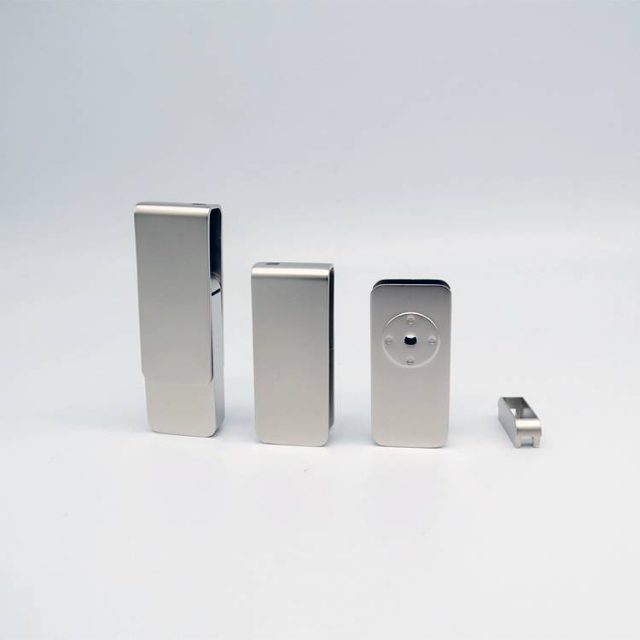
Then there is the shape. Construction hardware isn’t always simple squares and circles. Sometimes architects want curves, detailed patterns, or very thin walls to keep things looking sleek. With Zinc Die Casting, you can get those complex shapes straight from the mold. You don’t need to cut away tons of material from a solid block. That saves time and money.
Another big thing in construction is the finish. Nobody wants a door handle that looks rusty after two years. Zinc parts take to surface treatments really well. You can plate them, paint them, or give them a brushed metal look. The metal itself is smooth coming out of the die, so getting that high-quality finish is easier.
People also forget about the environment side of it. Construction projects are under pressure to be greener. Scrap zinc from the casting process? You just melt it again and use it. It doesn’t go to waste. And the parts themselves last, so you aren’t replacing them every few years.
So, next time you are on a site and you pick up a solid, well-made piece of hardware, check what it’s made of. Chances are, it came from a Zinc Die Casting process. It is one of those quiet workhorses of the building industry. Strong, precise, and it looks good doing the job. That is why architects and builders keep coming back to it.