
When people talk about Zinc Die Casting, they often think of small parts in electronics or shiny pieces in cars. But in the building and plumbing world, zinc quietly does a lot of heavy lifting. You see it everywhere—sometimes in places you wouldn’t expect—and once you notice it, you start realizing why builders and plumbers keep coming back to it.
Let me explain it in a simple way.
In construction, you need parts that don’t warp, don’t rust easily, and can take a beating without cracking. That’s exactly where Zinc Die Casting shines. The material flows smoothly inside the mold, so you can make parts with tricky shapes—threads, curves, locking tabs, tiny grooves, all in one shot. For builders, that means fewer assembly steps. For plumbers, that means fittings that actually fit. And for everyone involved, that means fewer headaches on the job site.
Think about door and window hardware. Hinges, handles, brackets, latches—these are everyday items, but they need a certain mix of strength and good looks. Zinc allows all of that. A long piece, a small piece, something chunky, something delicate—it handles them all with the same steady reliability. And because the surface comes out clean and uniform, coatings stick well. Powder coat, chrome, paint… everything behaves nicely.
That’s a big deal.
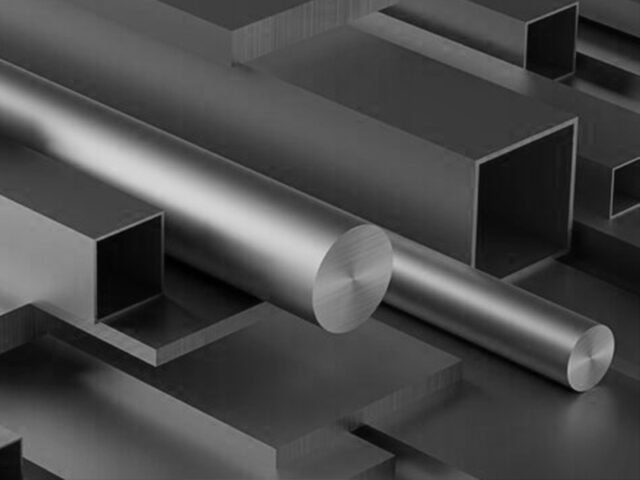
Now, let’s talk plumbing. This is where things get serious, because water, pressure, and corrosion can ruin a part faster than you think. With Zinc Die Casting, you get fittings and connectors that hold their shape and seal properly. The metal is dense. It doesn’t crumble. And when you machine the threads after casting, you get a nice, tight, predictable fit. No surprises. No leaks. No comebacks.
There’s another reason people in construction appreciate zinc: consistency. Every piece comes out almost identical to the last, even at high production volumes. Builders like that because it means fewer alignment issues. Plumbers like that because it means fewer problems when assembling long lines of pipes or systems with mixed fittings. Consistency saves time. Time saves money. Simple as that.
And although zinc is tough, it’s also friendly to work with. Molds last longer, production runs smoother, and waste is low. In large projects—commercial buildings, housing developments, industrial systems—those benefits add up. They add up fast.
So yes, Zinc Die Casting may not be the star of the show when you first look at a building, but it’s one of the quiet heroes hidden behind the walls, in the frames, and inside the plumbing systems. Reliable. Stable. Easy to shape. Easy to integrate. A good partner for anyone working with their hands.
That’s why the building and plumbing sectors keep choosing it.
And honestly—once you understand how much it simplifies the work—you start to wonder why anyone would choose anything else.